Close

Plan Your Escape
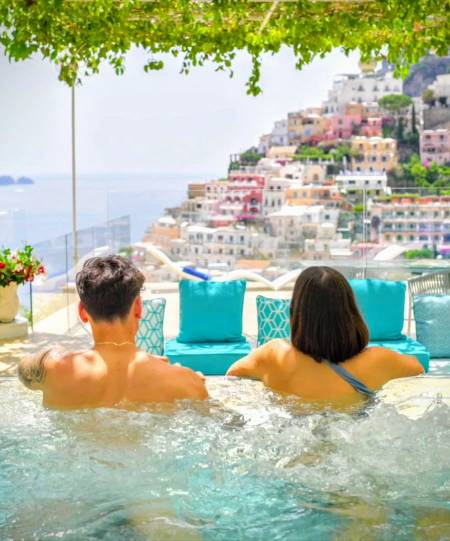
Nestled on the sun-kissed cliffs overlooking the sparkling sea, Villa Fiorentino invites you to experience timeless elegance and pure relaxation.
.webp)


Close
Nestled on the sun-kissed cliffs overlooking the sparkling sea, Villa Fiorentino invites you to experience timeless elegance and pure relaxation.
The car is waiting on the terrace at first light, the espresso cups are still warm, and below Villa Fiorentino the Tyrrhenian Sea is turning from slate to silver. This is how a wine, nature and culture day on the Amalfi Coast should begin: unhurried, arranged down to the last tasting appointment by the villa's concierge, with nothing to do but climb into the car and let Positano fall away behind you.
Autumn is the season for it. The light softens, the crowds thin, the vine leaves along the coastal terraces turn the colour of embers, and the whole hillside seems to exhale. Set off from Villa Fiorentino in Positano on the Amalfi Coast Wine Route, a private day trip that threads through Scala and Amalfi and returns, at dusk, exactly where it began.
Beyond Positano's lemon groves, the road climbs into a landscape that looks, at first glance, impossible: vines planted in double terraces that fall almost vertically toward the sea, held up by centuries of dry stone walls. There is no flat ground here worth mentioning, and yet people have farmed it since the Greeks first carried native grapes to this coast — Falanghina, Aglianico, Piedirosso and Greco, alongside rarities like Ginestra and Fenile that grow almost nowhere else on earth.
Here the vines are torn from the rock itself, and the harvest still comes down the mountain on the shoulders of men who are, in the same breath, sailors and farmers.
Locals still call themselves contadini-marinai, sailor-farmers, their days split between boat and vineyard long before that division became a marketing story. Taste their work today under the Costa d'Amalfi D.O.C., a denomination that turns this improbable geography into something you can hold in a glass — mineral, citrus-bright whites and reds with the warmth of volcanic soil.
Four hundred metres above the water, Scala is the oldest town on the Amalfi Coast and, for most visitors, the least crowded — a scatter of hamlets (Minuta, Pontone, Campidoglio, San Pietro) linked by staircases and silence. Once powerful enough to earn the nickname "the lioness of Amalfi," it now offers something rarer than monuments: quiet. Wander past the Cathedral of San Lorenzo and the hilltop chapels, climb to the Torre dello Ziro for a view that stretches clear to Capri, then sit down at a family-run cellar and let a glass of local Aglianico do the rest. It is the kind of stop that rewards travelers who, like those staying at Villa Fiorentino, would rather linger over one good pour than rush past ten photo opportunities.
Just below Scala, where the mountains fold between Amalfi and Agerola, the road gives way to a footpath and the footpath gives way to a different world entirely. The Valle delle Ferriere nature reserve is cool even in September, threaded with waterfalls and thick with ferns that have grown here, largely unchanged, since prehistory. It is the coast's quiet counterpart to the terraced vines above it — proof that this landscape holds as much wild beauty as it does cultivated wealth. Travelers drawn to that same untouched drama often continue the theme with a day trip inland to Cilento's natural beauty, food and wine, another side of Campania built on the same rugged patience.
Descend the valley and the coast opens onto Amalfi itself, whose white houses still lean into one another the way they did when this was one of the four great Maritime Republics, trading across the Mediterranean centuries before Venice rose to prominence. Its glory survives in stone and in ceremony: the striped Cathedral of Sant'Andrea Apostolo, its bell tower crowned in colored majolica, presides over the piazza, and from its portico you reach the Cloister of Paradise and the Basilica del Crocifisso, home to the town's Diocesan Museum. Every few years that maritime past comes roaring back to life in the Regatta of the Historical Maritime Republics, when four boats race for civic pride.
Slip down the narrower alleys and you find a gentler craft: at the Paper Museum, artisans still beat cotton rag into the handmade "bambagina" paper that made Amalfi famous, using water once drawn from the Canneto stream in the Valle dei Mulini. It is worth an hour of unhurried wandering before lunch — and, later, worth pairing with the coast's own cooking; for a primer on what to order, our guide to the top 10 dishes of the Amalfi Coast makes excellent reading on the drive back.
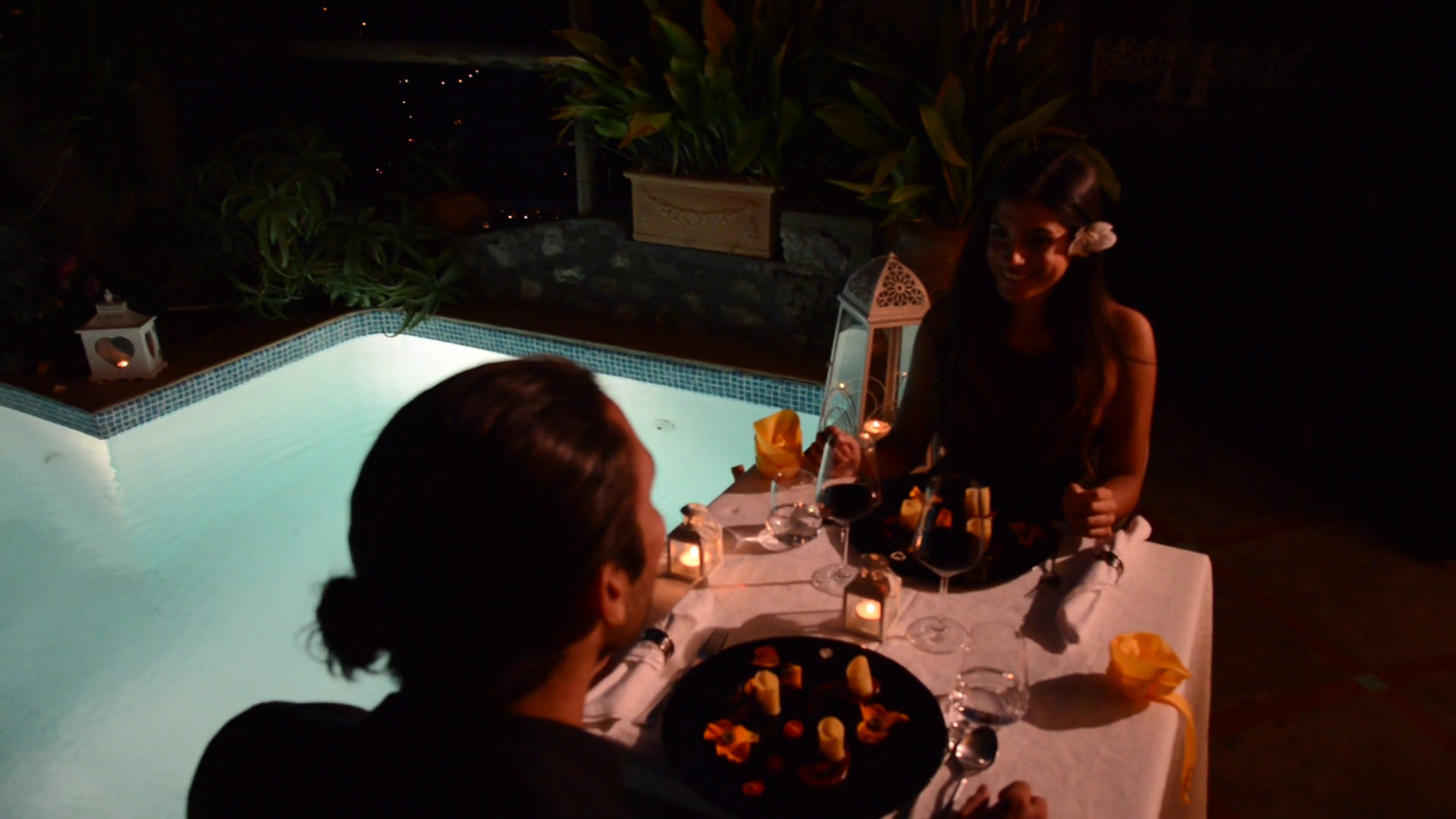
By the time the car winds back along the coast road, the light has turned that particular late-afternoon gold that Positano seems to keep for itself, and the day's tastings have earned a slower finish. There is nowhere better to have it than back on the terrace, glass of Costa d'Amalfi in hand, the whole cliffside town glittering below.
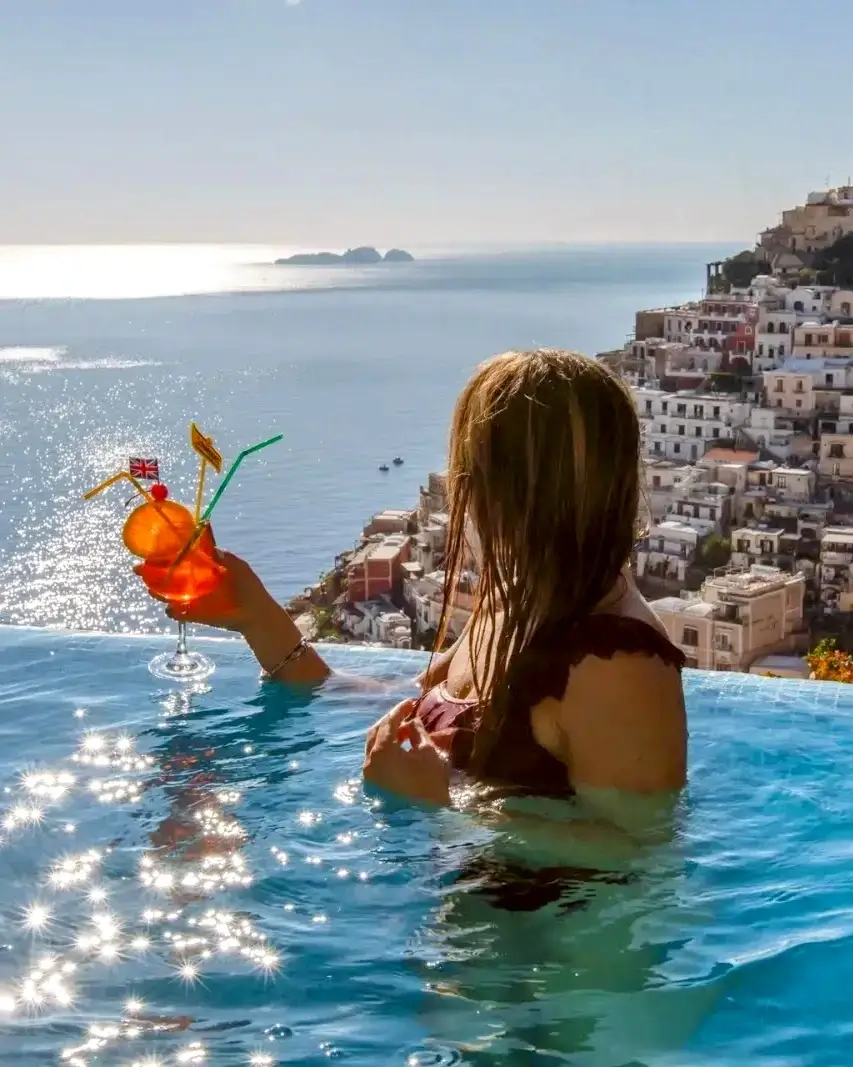
If today's route left you wanting more of the region beyond the coast road, the villa can also arrange a private Vesuvius tour with wine tasting for another day of your stay. But for now, let the evening do its work: a warm bath, dinner under the pergola, and the quiet certainty that tomorrow the coast will still be there. Browse our rooms and suites or ask about our tailored tour offers to build a day like this one into your next stay.

Villa Fiorentino Lifestyle is located in one of the most scenic areas of Positano and the Amalfi Coast. Enjoy your stay with us.


.svg)
.svg)
.svg)

.svg)